B2B Content Marketing in 2026: Best Practices & Strategies
B2B content marketing has evolved from a simple visibility tactic into a key driver of business growth. Over the years, Wandercreatives has consistently seen a pattern among B2B companies: organizations that use content to explain their offer, answer buyer questions, build trust, and support sales conversations tend to achieve stronger and more sustainable growth. A strong B2B content marketing strategy plays an important role by helping prospects understand the brand, compare their options, and feel ready to inquire.
Today, B2B buyers often research solutions independently before speaking with sales teams. They rely on blogs, guides, and industry insights to compare options and answer key buying questions. Because of this shift, effective content marketing for B2B companies helps build credibility early in the B2B buyer journey while guiding prospects toward more informed decisions and helping shorten the sales cycle.
Understanding the most effective B2B content marketing best practices, from clear goals and audience insight to authority building and qualified lead generation, helps businesses turn content into a consistent and reliable growth engine.
Aligning marketing and sales goals
This is where business owners usually make mistakes. Many thought that “sales” and “marketing” are entirely different, independent teams. While it is partly true, those concepts must be deeply aligned with each other and carefully rooted in what they aim to achieve.
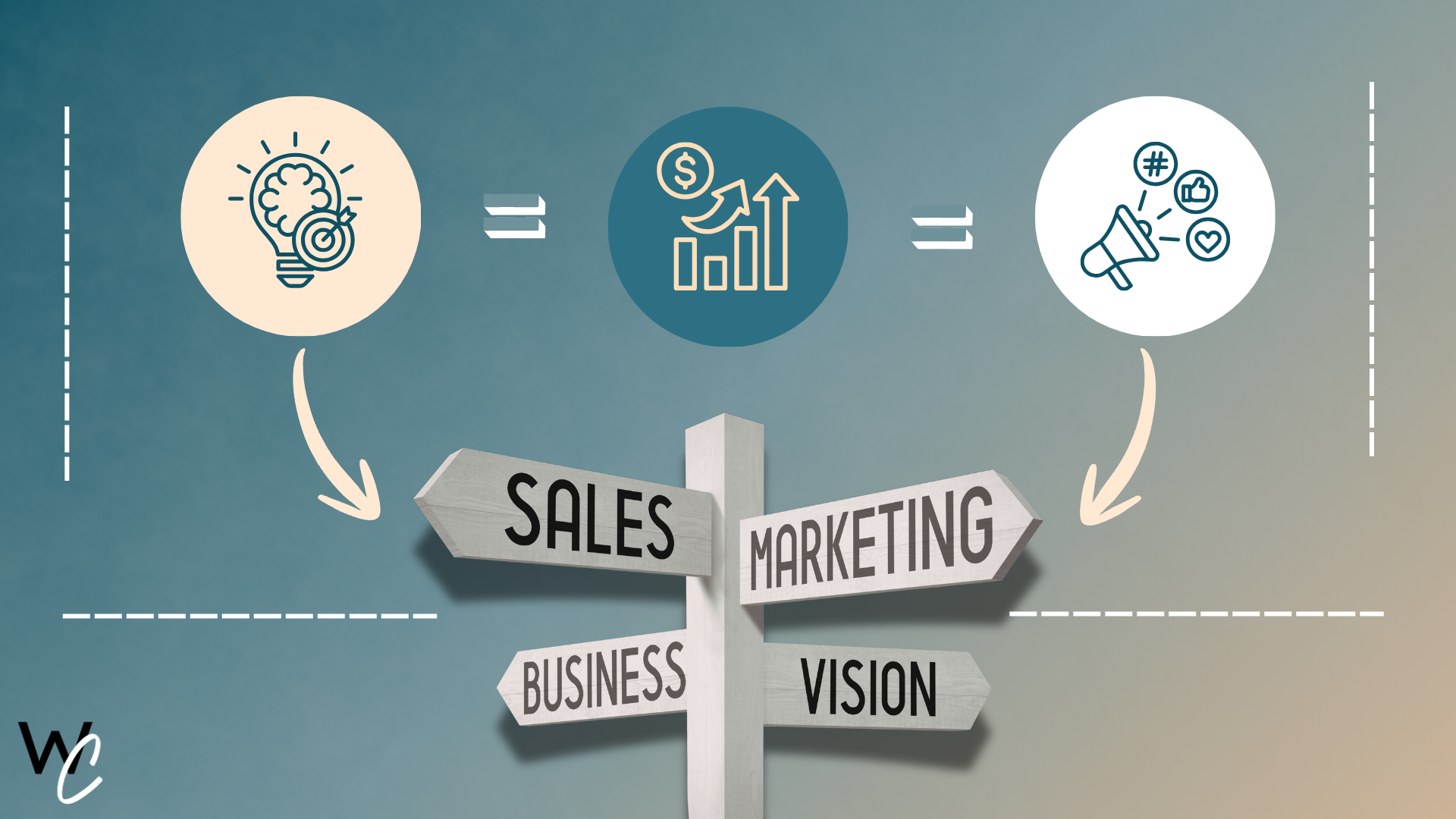
When marketing and sales align on shared objectives, they operate as a unified revenue team rather than separate functions. Marketing attracts and educates the right audience, technically presents the visual product, and is responsible for tracking impressions. This alignment helps both teams track success together and connect awareness to sales results.
As marketers produce content, it is important to note that this content must support the sales process. Meaning, your content should make your audience move. For whatever content you are producing, it has to help your audience to move closer to buying and should not be reflected as a mere marketing activity without any purpose. Good content helps customers understand, trust, and decide.
On the other hand, sales transform qualified prospects into paying customers through the materials that the marketers produce. Content strategy works best when these goals are aligned. Regular feedback between teams helps improve messaging, customer experience, and business growth.
Getting discovered in multiple ways
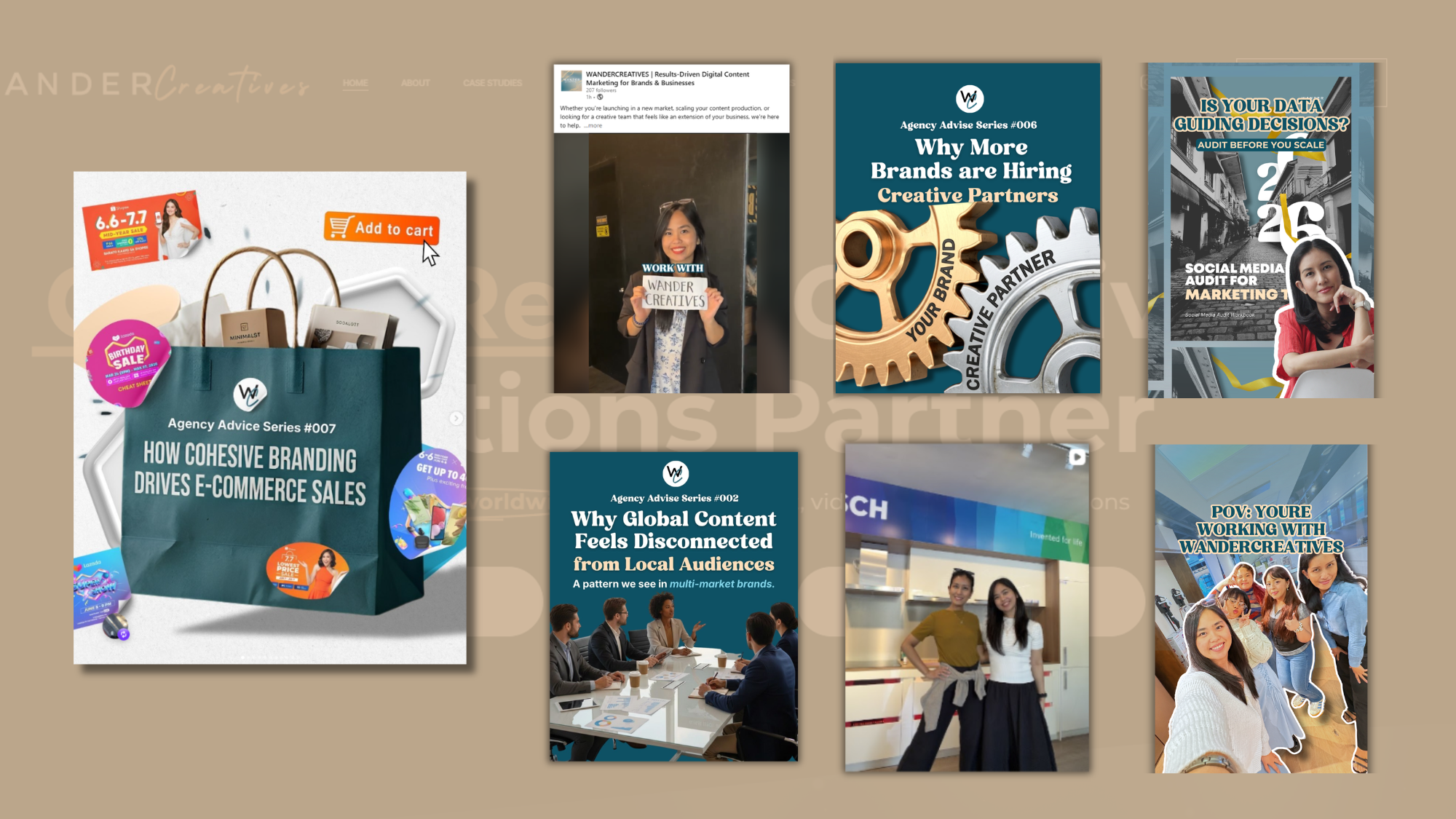
Your content represents your brand. Many companies produce content but underestimate distribution. It’s not enough to stick to one platform since decision–makers can find you anytime. Their attention is fragmented across multiple channels, and visibility depends on how consistently a brand appears within those spaces.
They typically find their way to scroll up on their LinkedIn accounts, or they might discover your brand through paid ads or webinars. In many cases, these happen at different stages of the buyer journey, making it important for messaging to remain consistent and recognizable across channels. In short, content should be disseminated and repurposed across platforms, and strategic content should be built for each platform. This means adapting the format, depth, and delivery based on how audiences consume content in each channel rather than repeating the same version everywhere.
Content should be repurposed across social media, newsletters, blog content, and industry platforms. This approach helps one idea reach different audiences while keeping the message consistent. It also saves time by reusing high-performing content instead of constantly creating new ones. This helps maximize visibility without constantly creating new material.
Over time, showing up across different channels helps people remember the brand and makes them more likely to engage when they are ready to act. Content should therefore answer real buyer questions they may already have or anticipate them.
Balancing Quality and Quantity
Publishing multiple pieces of content daily does not guarantee conversions. Weak content will not perform, regardless of volume. Quality should focus on delivering clear value by educating, entertaining, inspiring, or guiding customers in their decisions. Quantity, on the other hand, should reinforce consistency without creating pressure or burnout.
A realistic posting rhythm, often three to five times per week, allows teams to maintain standards while staying visible across digital channels. This balance is especially important in social media in marketing, where consistency builds familiarity and trust. Authority is built through consistent exposure to useful insights over time, not just one high-quality piece of content. This repeated exposure helps position a brand as a reliable source of information rather than a one-time contributor.
Many companies publish one major report and then stop posting for months, expecting long-term results from a single effort. In reality, gaps in content reduce visibility and weaken brand recall. The brands that build trust are the ones that share useful insights regularly, reinforcing their expertise and staying top of mind with their audience throughout the buying cycle. Consistency ensures that when buyers are ready to act, the brand is already familiar and credible.
To make this sustainable, focus on a few core practices:
Define what value means for your audience
Use repeatable formats to reduce creative fatigue
Repurpose strong ideas into multiple formats
Maintain a balanced content mix
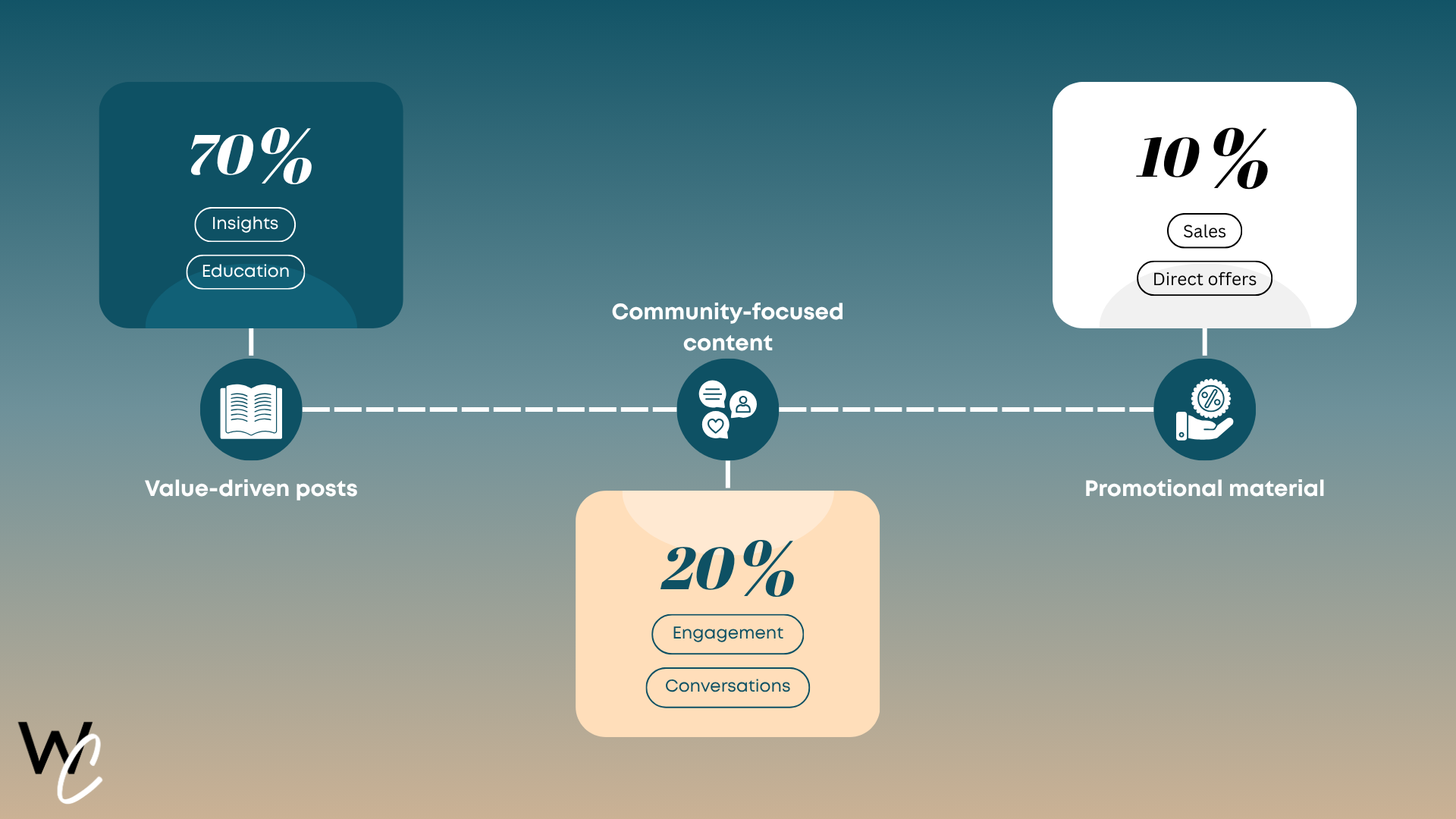
A practical content ratio includes:
70% value driven posts: tips, education, insights, relatable content
20% community focused content: engagement posts, user-generated content, conversations
10% promotional material: direct offers, launches, and sales
Tools like content calendars and batch creation workflows help preserve quality while maintaining consistency. In the long run, quantity increases visibility, but quality builds trust. When both are aligned, content not only attracts attention but also supports stronger engagement and conversion over time.
This balance also reduces wasted effort for sales teams. Marketing becomes more predictable, growth stabilizes, and collaboration between departments improves, which is a key advantage when working with a digital marketing agency or external brand partner.
Using Gated Content to Generate Leads
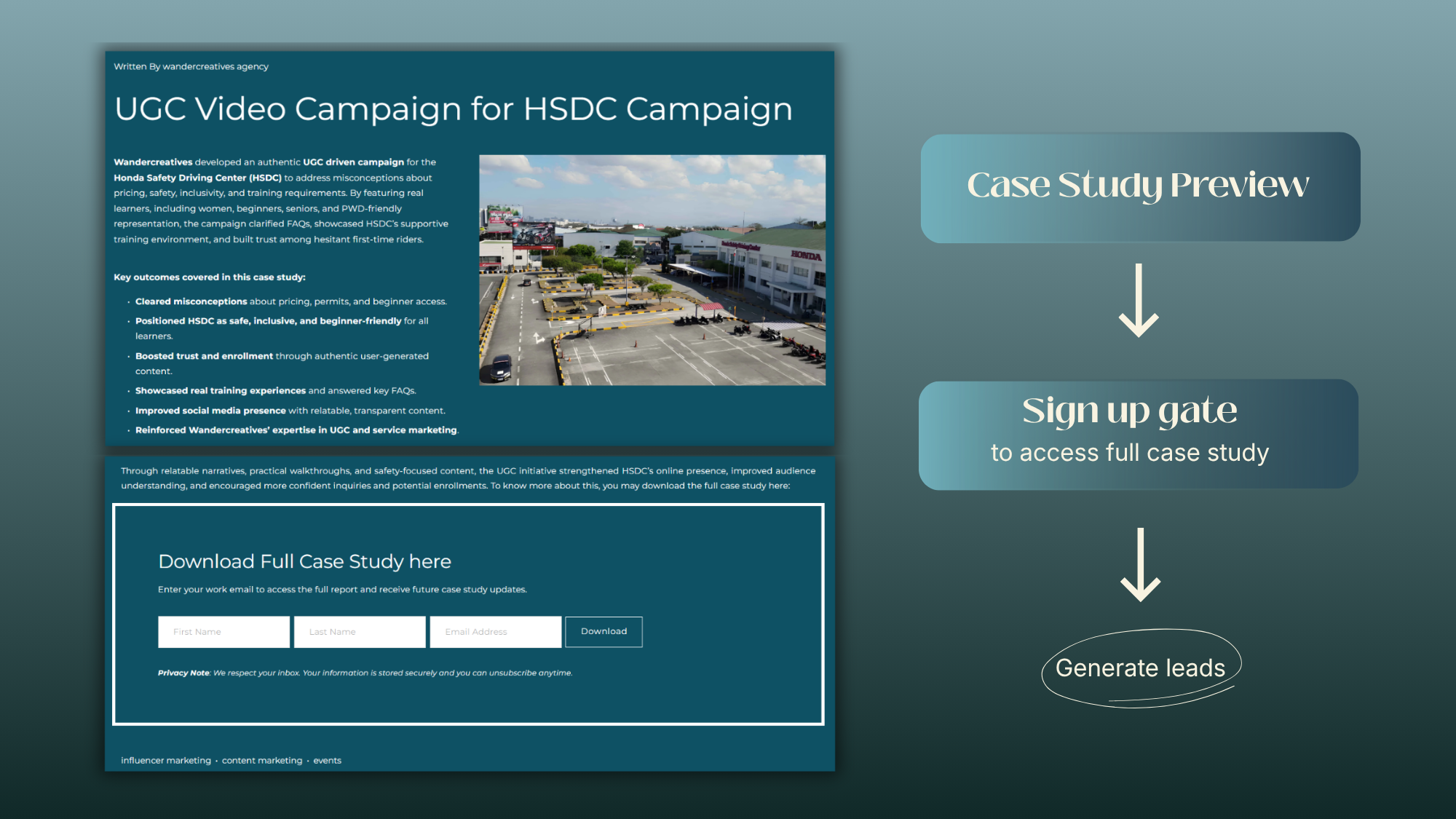
Gated content remains a powerful B2B content marketing strategy because it attracts serious and qualified prospects. Instead of offering everything for free, businesses provide high-value resources, such as guides, reports, and case studies, in exchange for contact information.
This approach naturally filters out casual visitors and attracts individuals actively looking for solutions. It also provides valuable data like job titles, industries, and company sizes, enabling more targeted and personalized follow-ups.
Since B2B sales cycles are often long, gated content supports lead nurturing rather than immediate conversion. Marketing teams can develop ongoing campaigns while delivering insights that help sales teams build stronger conversations.
This alignment strengthens the entire content marketing ecosystem. Marketing generates and qualifies leads, while sales gains context about each prospect’s interests. Over time, consistently delivering valuable gated content builds trust and positions the company as an authority in its field.
Creating evergreen content
Another thing marketers must take note of is making content that doesn’t wear out, no matter how late the publication date is. Creating evergreen content will help companies stay on track and help them be visible.
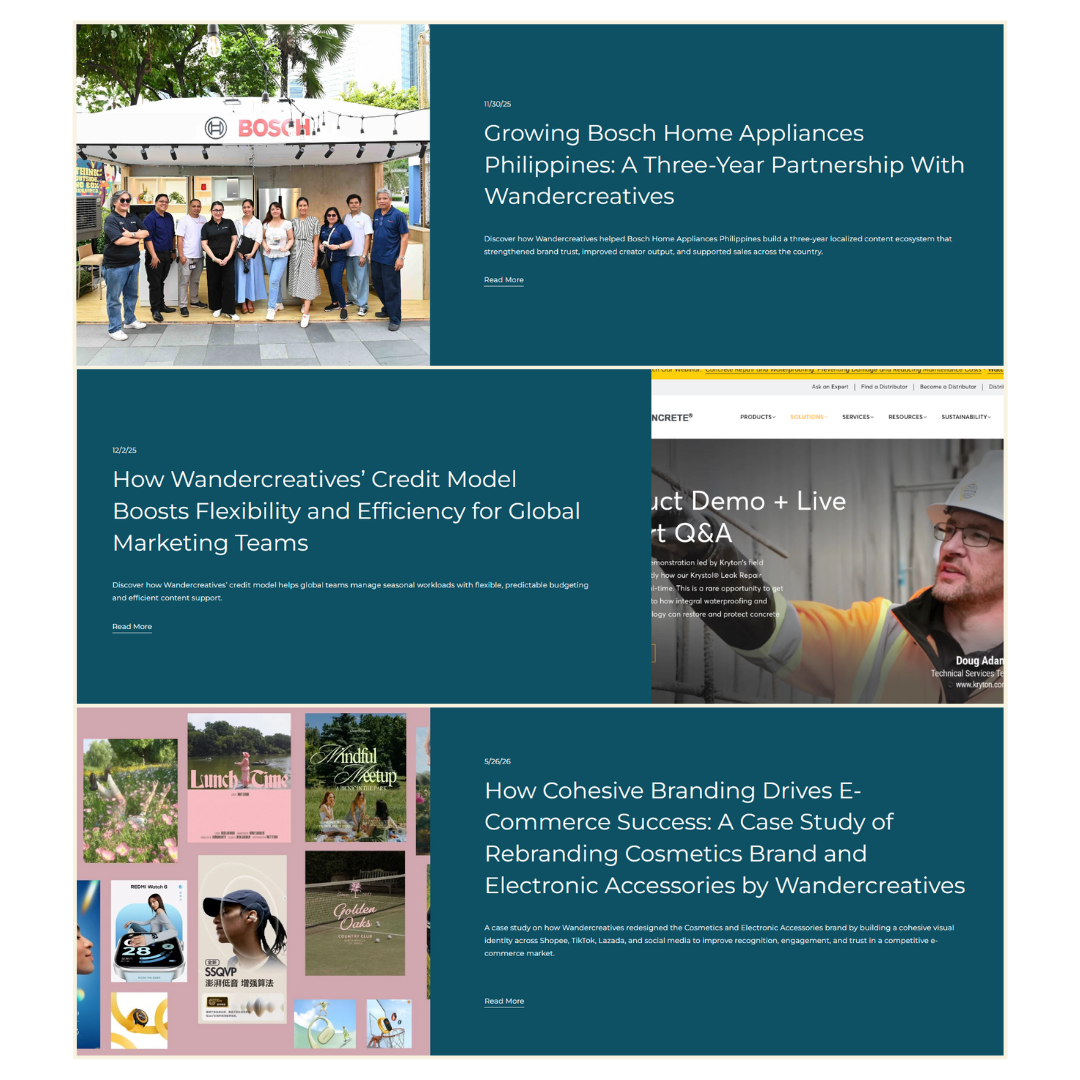
Unlike trend-driven posts that deliver temporary spikes in engagement, evergreen content sustains relevance, search visibility, and ongoing value. Even posts from months ago can still be relevant and be seen. This includes practical guides, expert insights, and problem-solving resources that remain essential to professionals over time.
In B2B marketing, where purchasing decisions are longer and research-driven, evergreen content plays an important role throughout the buyer journey. It educates audiences, builds credibility, and positions a brand as a trusted authority rather than just another seller. Instead of constantly producing new trend-based topics, businesses invest in content that consistently attracts the right audience, nurtures prospects, and supports sales efforts.
This is why evergreen content is one of the most strategic B2B marketing investments. Its value grows over time, generating ongoing traffic, strengthening brand authority, and creating opportunities long after publication. Rather than generating temporary results, it positions content as a long-term growth asset.
Work on your SEO/AIO
Another important system to focus on is your SEO (Search Engine Optimization) and AIO (Artificial Intelligence Optimization). You might hear people say that SEO is dead, but it isn't. It has not died; it has simply evolved.
While content creation is often a priority for marketers, ensuring that content is properly optimized can sometimes be overlooked.
Working with these helps your brand to rank on search engines like Google, Brave, Bing, etc. The purpose of this is to make you visible to other audiences. It works by the cooperation of your top keywords in your content, such as case studies, articles, and social media content. Today, SEO isn't just about stuffing keywords anymore; it is about focusing on search intent and being a trusted authority.
On the other hand, AIO or Artificial Intelligence Optimization talks about how you utilize AI to improve your content. AI platforms such as ChatGPT, Gemini, Claude, etc., help brands to generate content faster. But AIO also goes beyond that. It is also about formatting your content so that these AI engines easily understand, extract, and recommend your brand when people ask them questions directly.
For instance, if you are a clothing manufacturer, your keywords might be clothing brand, tshirt, pants, tshirt reselling, and buy and sell clothes.
Take a look at this social media caption example:
Not SEO/AIO Optimized:
Bring your brand to life with a manufacturing partner you can trust. We deliver quality apparel, competitive pricing, and reliable production to help your business grow.
#facebookfeed #instagramfeed #fyp #manufacturer
SEO/AIO Optimized:
[Your Brand Name] is a trusted B2B clothing manufacturer specializing in high quality custom tshirt production for growing apparel brands. We provide competitive wholesale pricing, reliable supply chain management, and scalable garment manufacturing to help fashion businesses succeed.
#ClothingManufacturer #ApparelManufacturing #PrivateLabelClothing #CustomClothing #FashionBusiness #GarmentSupplier #TshirtProduction #B2BApparel
In this sample, we will notice that we integrated the keywords in the caption and hashtags to make it optimized. Instead of using hashtags irrelevant to the content, use keywords that actually work. Because AI engines look for clear definitions and direct answers, writing structured captions like this helps them understand exactly what you do. By doing this, your content will be more visible.
It is also advisable to use keywords in the ALT of your videos or images when updating your website. For social media platforms such as Instagram and TikTok, however, keywords tend to be more effective when naturally incorporated into automatically generated captions, on screen text, and spoken content, as these elements help the platforms better understand and categorize your content.
At Wandercreatives, we utilize it especially on our social media posts, website articles, case studies, and on our website itself.
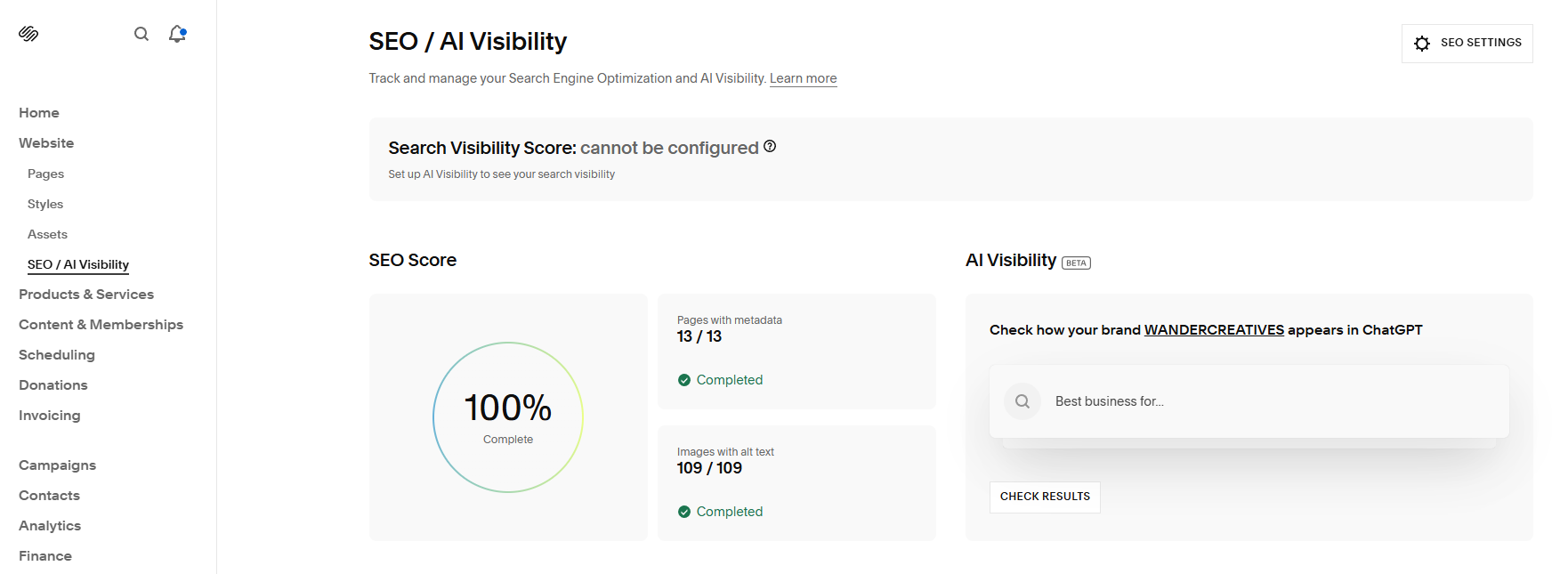
Every website platform has its own tools to optimize SEO and AIO. In our case, Squarespace helped us know which aspects should be optimized. And as a result, we’re being recommended by GPTs (Generative Pretrained Transformer) if people are asking for Philippine content marketing agencies.
In B2B cases, it’s also an opportunity to make your brand recognized and ranked in search engines by working on SEO and AIO.
In short, by using keywords and optimizing your content, your website can rank higher than other websites, therefore creating more traffic. And people can find you when they search online. It is no longer just about gaming an algorithm; it is about building digital trust. But it is important to use AI wisely without losing real human insights. Search engines and AI models still favor real human experience that an AI cannot simply make up. By knowing how to use SEO and AIO in your content, your brand will be more efficient and progressive.
Our Conclusion
In 2026, B2B content marketing rewards brands that approach every step strategically. The difference between average results and consistent growth lies in how well strategy, execution, and follow-through work together. When content is treated as a system, it continuously builds authority, supports sales conversations, and generates qualified opportunities over time.
Treat content as a long-term business investment, and it becomes a reliable source of qualified leads and stronger client relationships. Whether managed internally or supported by a digital marketing agency, success depends on building a clear, scalable content marketing strategy. This approach also strengthens brand credibility, ensuring every piece of content contributes to trust and long-term positioning in the market.
Look beyond surface metrics to understand what drives real pipeline growth. Strengthen your direction, align your teams, and start creating content that delivers measurable business results today. With consistency and strategic intent, content evolves into a long-term growth asset that compounds value over time.
Should you need help setting up or running your content system, you may reach out to us via email: https://www.wandercreatives.com/workwithus